
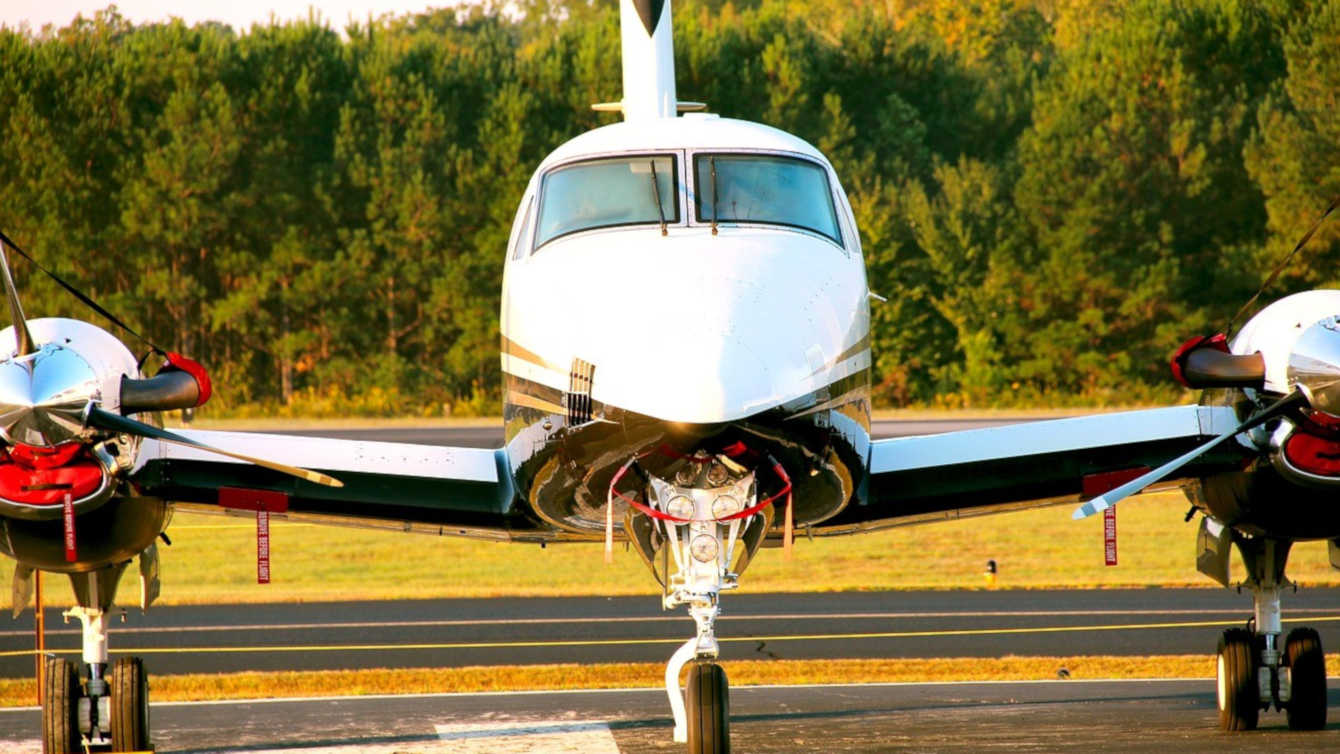
In aviation, safety is paramount. By the nature of aircraft operations and the risks involved, aviation can be classified as a catastrophic risk exposure. Aviation Insurance is readily available to cover a wide variety of aircraft types ranging from single engine aircraft, to helicopters, to drones even. When thinking to insure an aircraft, it is important to consider what type of aircraft you are insuring and the coverages that may be purchased to protect it.
Types of aircraft
Aircraft come in a wide variety of shapes and sizes. From an underwriting (risk analysis) perspective, aircraft can be classified many ways. They may be fixed wing or rotor wing (e.g. planes vs. helicopters), single engine or multi engine, land or sea, piston or turbine engine, etc.
Each type of aircraft has its own risk profile per its features. Some aircraft types will bear a higher rate and be costlier to insure than others due to its characteristics. For example, due to its inability to glide, a helicopter will receive higher rates and be costlier to insure than a fixed wing aircraft of similar value. Other features can affect the risk profile as well and either cause the level of risk to be increased or mitigated (reduced).
Types of insurance
An aircraft owner and operator has a duty of care towards third parties, the aircraft is also an asset of the insured that is subject to loss or damage. Insurance can be purchased to cover the cost of repairing or replacing an aircraft and/or to pay for the insured’s liability to third parties and/or to passengers caused by a loss covered under the insurance policy. Some of the insurance coverages that may be purchased are:
Hull:
Covers the aircraft against loss or damage caused by any type of accident that falls within the scope of coverage of the policy. Generally defined as “all risks” meaning that the policy covers anything that is not otherwise excluded. Hull coverage generally excludes perils such as acts of war and terrorism.
Hull War:
As with hull coverage, hull war protects the aircraft against loss or damage caused by any type of accident that falls within the scope of coverage of the policy. Hull war usually writes back into the policy several coverages excluded under the hull section of coverage such as acts of war, terrorism, intentional damage [not caused by the insured], etc.
Third Party Liability:
Covers the insured’s liability for bodily injury or property damage to third parties outside the aircraft.
Passenger Legal Liability:
Covers the insured’s liability for bodily injury or property damage to passengers.
Personal Accidents:
Pays the stated coverage limit set at the beginning of the policy as a benefit to insured persons (passengers or crew) when they suffer a predetermined type of injury. Usually the coverage limit is payable in cases of death and/or total disability.
Given the variety of aircraft and the many different types of uses that they are subjected to, it’s important to know that the insured is adequately covered. Above I explained several types of insurance policies that can be used to cover the aircraft but there are other types of insurance that may be required and many endorsements that may extend or restrict coverage.
Stay tuned, examples of insuring different types of aircraft will follow in future blogposts.
Follow the link below for information about how Risk Reinsurance Holdings can help solve your aviation insurance needs.
Get Facultative Reinsurance Coverage
Let us help with your facultative reinsurance negotiations.
Use our services to obtain competitive coverage.